
Where does data fit into the communications planning process?
Data helps us set SMART objectives that are specific, measurable, achievable, relevant, and time-bound. Social media and website analytics help track day-to-day performance and support long-term goals. Here’s an example:
Output Objective
Decrease the bounce rate on the district’s levy information webpage by 25% during the election period. Bounce rate is the percentage of website visitors who leave a page without clicking, scrolling, or taking any further action.
Outcome Objective
Increase family understanding of how the levy is used, as measured by the annual family communications survey.
If Google Analytics shows a high bounce rate or low engagement time on the levy webpage, then we will want to adjust by simplifying the page layout to achieve our outcome objective of improving family understanding of levy information.
How can data help us understand where people are finding information?

- Track what’s working with unique URLs
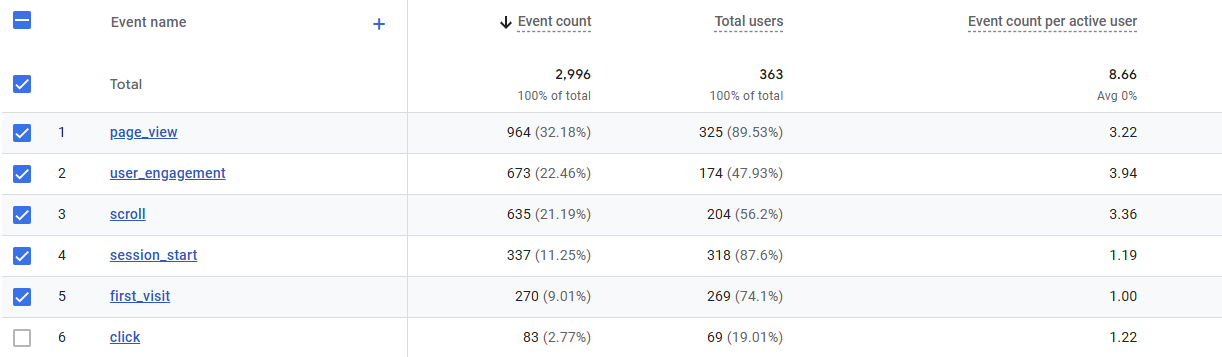
Tools like Google Analytics show which communication channels are driving the most traffic and engagement. School communicators can create unique URLs for each channel, such as newsletters, social media posts, or paid ads, to see which ones effectively lead people to key webpages. - Use social media insights to compare reach
Social media analytics provide another valuable layer of insight. Platform data can show whether the target audience is discovering content through organic or boosted posts. - Focus your time and resources
By examining these data points, communicators can make smarter, informed decisions about where to invest their time and resources to make the biggest impact.
What community survey questions can help us accurately measure outcome objectives?
District-wide surveys present an opportunity to measure outcome objectives: community perceptions, understanding, awareness and confidence. Here are a few examples:
- How would you rate (school district) on a scale from 1 to 5?
- Which of the following programs and services were you aware of before today? (Select all that apply)
- On a scale from 1 to 5, how likely are you to rely on district communications as a trusted source of information?
- On a scale from 1 to 5, how confident are you that you know which student programs and services are being supported by local levy dollars in (school district)?
What important steps can school communicators take right now to improve how they measure communications?
If I wanted to beef up the measurable data in my communications plan, here are a few steps that I would take right now:

- If you haven’t already, create a Google Analytics tag and add it to your website code to start collecting important metrics from your website.
- Familiarize yourself with Meta’s insights, especially engagement measurements for Facebook and Instagram. Collect baseline data for each month of the school year.
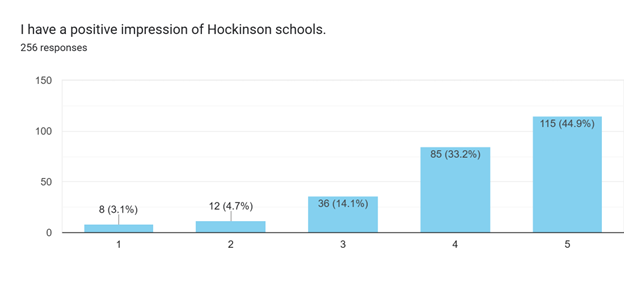
- Begin or continue an annual district-wide family survey that measures perceptions and understanding of important school district messages.
Remember: Every click, scroll, and survey response tells a story. When you listen to the data, you shape communications that truly connect.